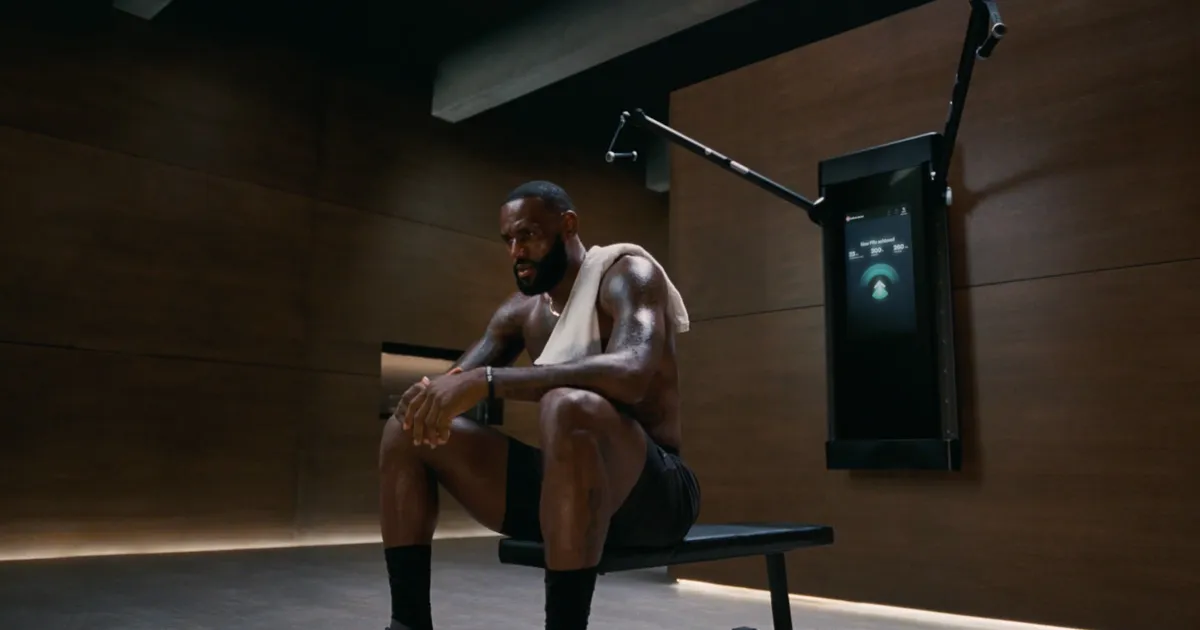
skills used
UX Research
Usability Tests
Data Analysis
Information Architecture
Team
Me
Project Manager
2 UX Designers
Designing smarter fitness experiences through data-driven research.
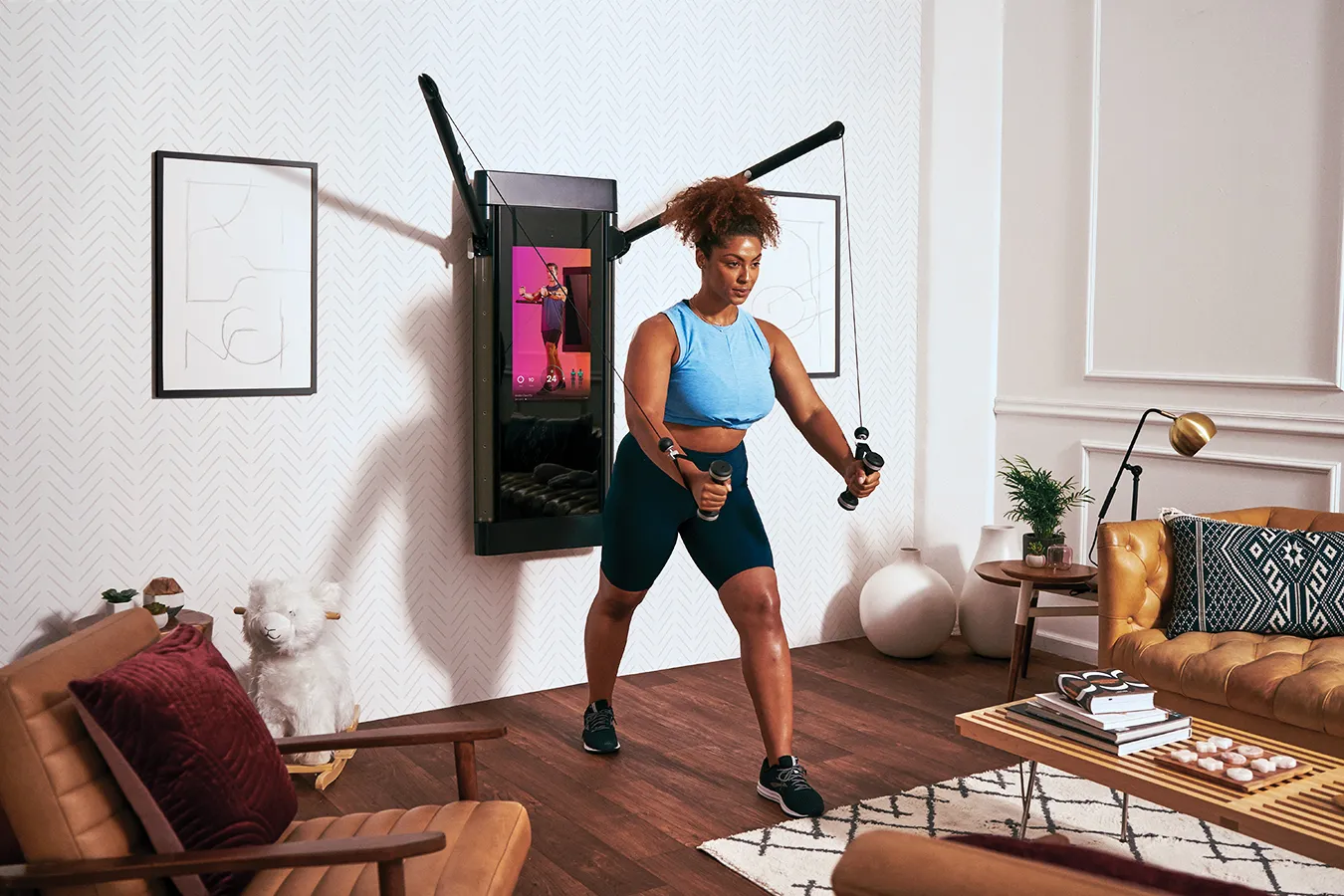
I worked at the adidas-ASU Center for Engagement Science lab as a UX researcher for Tonal, formulating and analyzing strategies to uncover user behavior patterns and inform product improvements for Tonal’s smart home gym system. Tonal is a fitness equipment system that combines cutting-edge technology with personalized strength training.
Tonal’s product and design team adopted our research findings into their upcoming roadmap, particularly around onboarding clarity, navigation, and workout flow.
Due to NDA restrictions, specific findings are omitted.
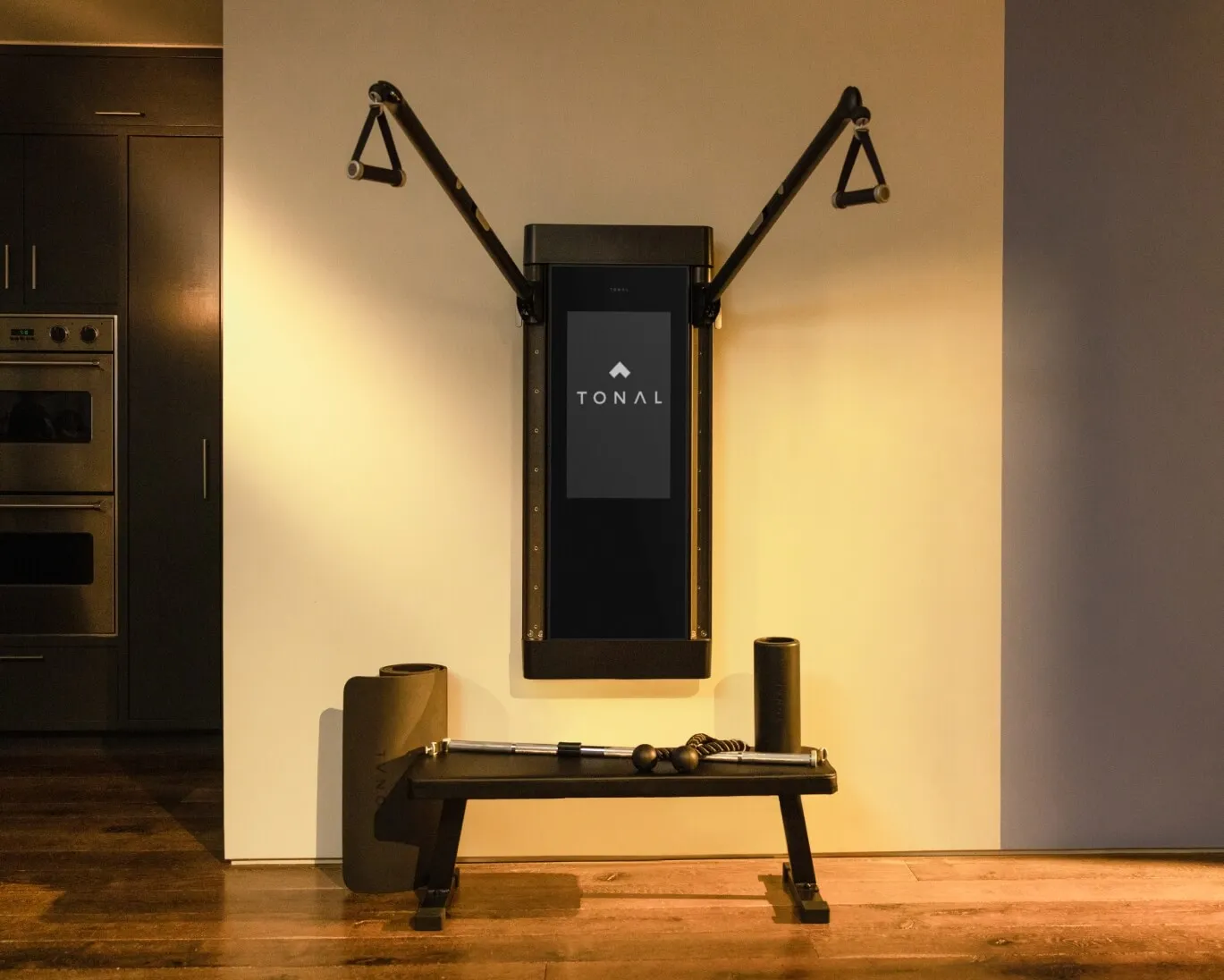
Tonal workout setup
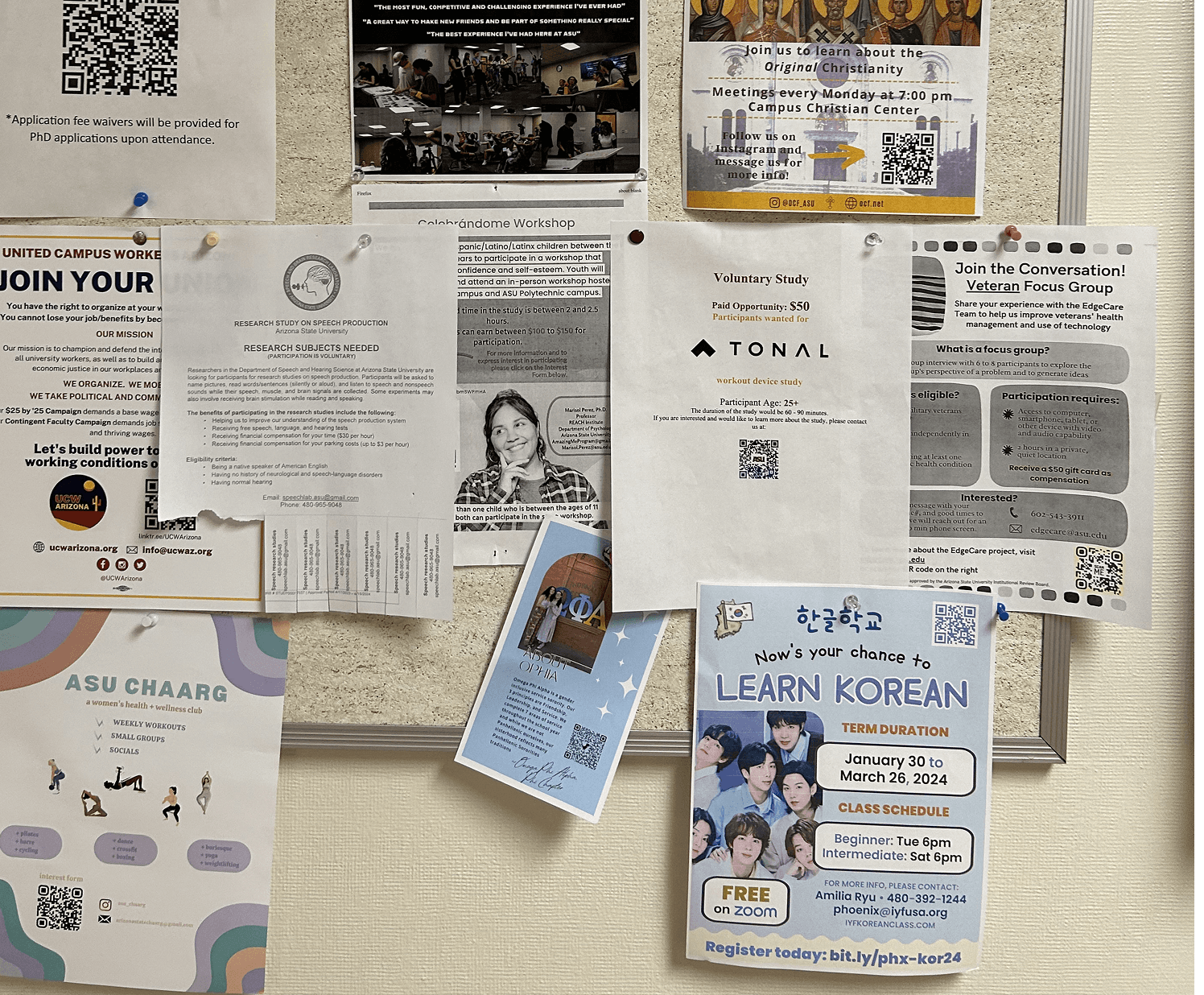
recruiting participants
Uncovering Friction
First-time users of Tonal experienced some friction when getting started, from setting up the hardware and configuring digital weights to customizing workouts and interpreting performance feedback.
The Tonal team’s goal wanted to create a seamless experience with no hiccups in setup, navigation, or use, ensuring that every touchpoint from hardware to interface felt intuitive and effortless.
They wanted to understand where users were slowing down, what moments of hesitation interrupted their flow, and how the overall experience could feel smoother and more natural across the entire journey.
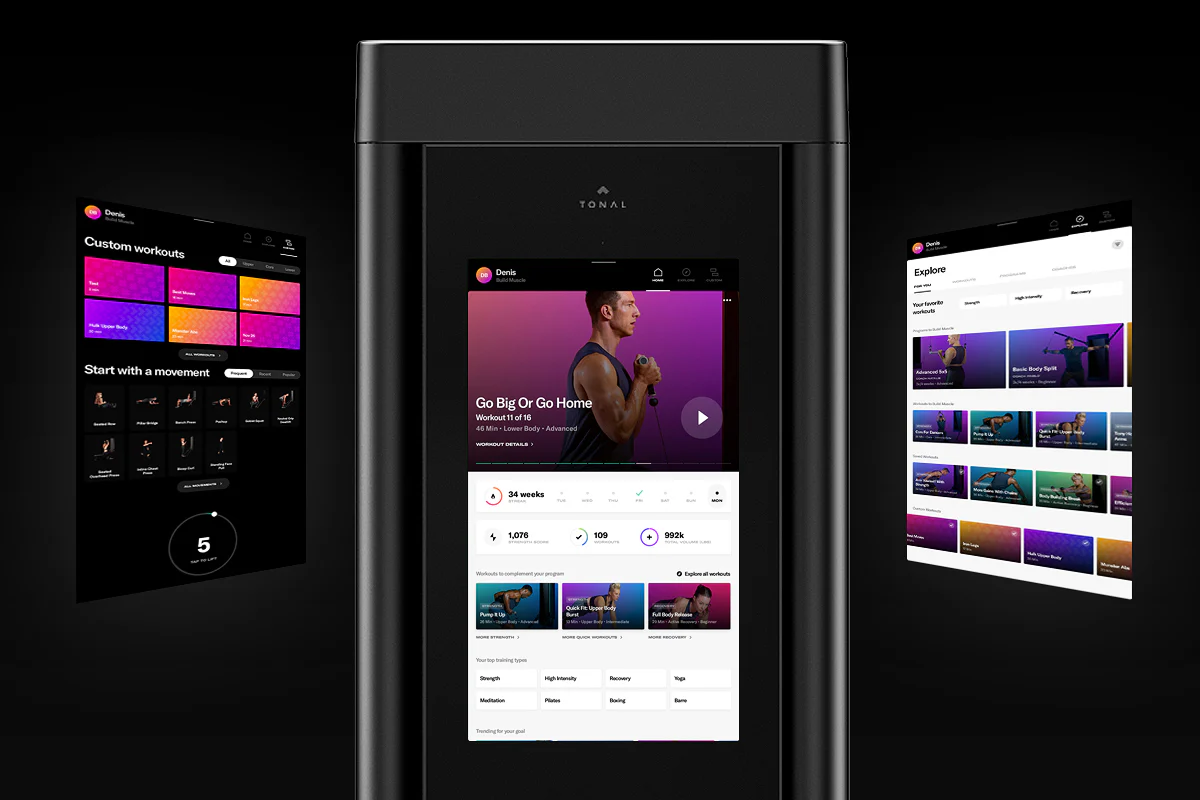
digital interface
How the research came to life
Our team began by identifying Tonal’s knowledge gaps: What did their analytics show? What questions were still unanswered?
Then, we moved quickly into the field. We conducted moderated usability testing and recordings in two contexts:
Nordstrom Tonal stores - observing real shoppers interacting with the system in a retail setting.
ASU’s research facility - where we replicated the in-home experience with full control over sensors and video capture.
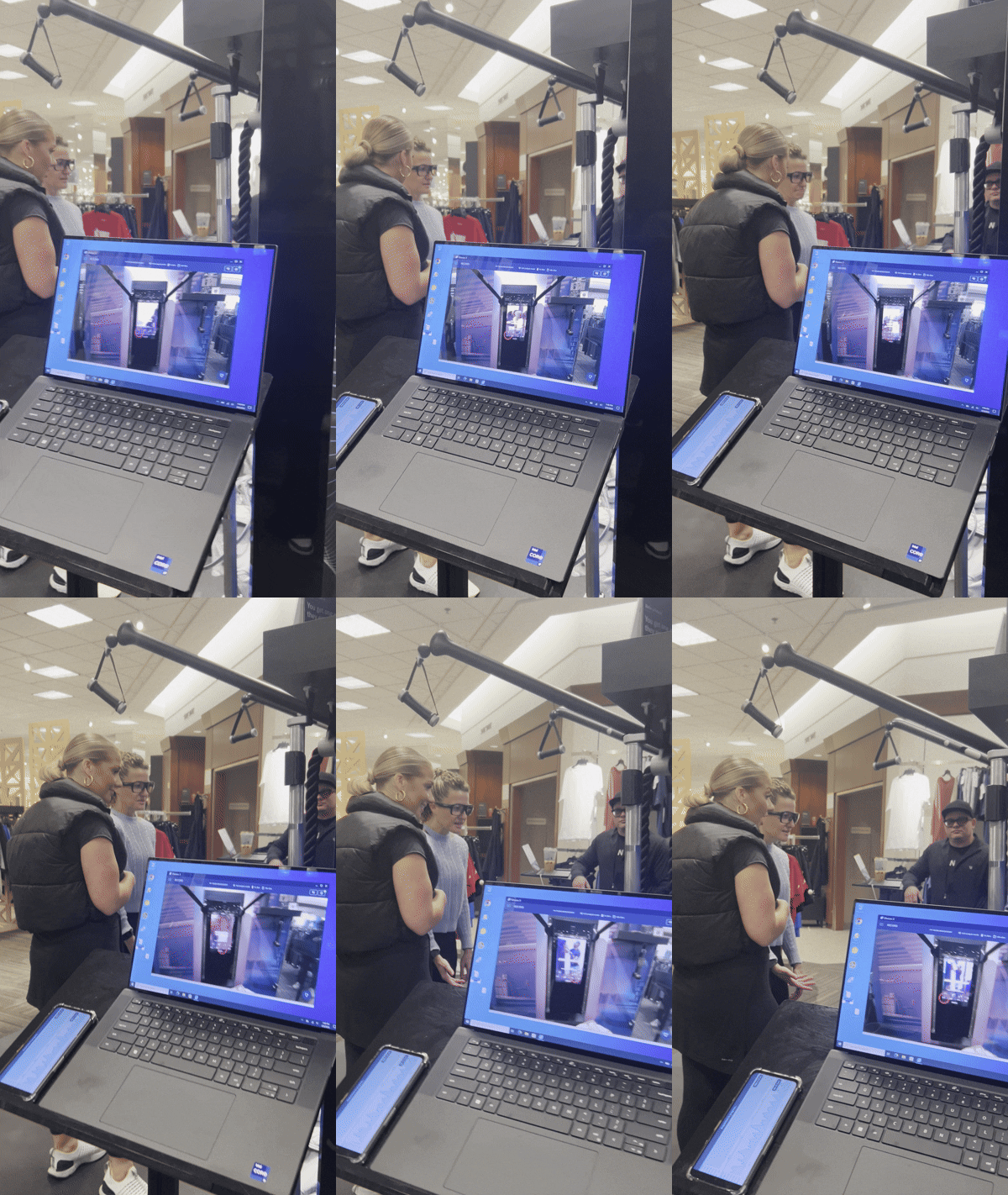
usability test at nordstorm
The Tobii Pro Glasses 3 capture real-time eye movements, visualizing exactly where users look and how their attention shifts across the interface.
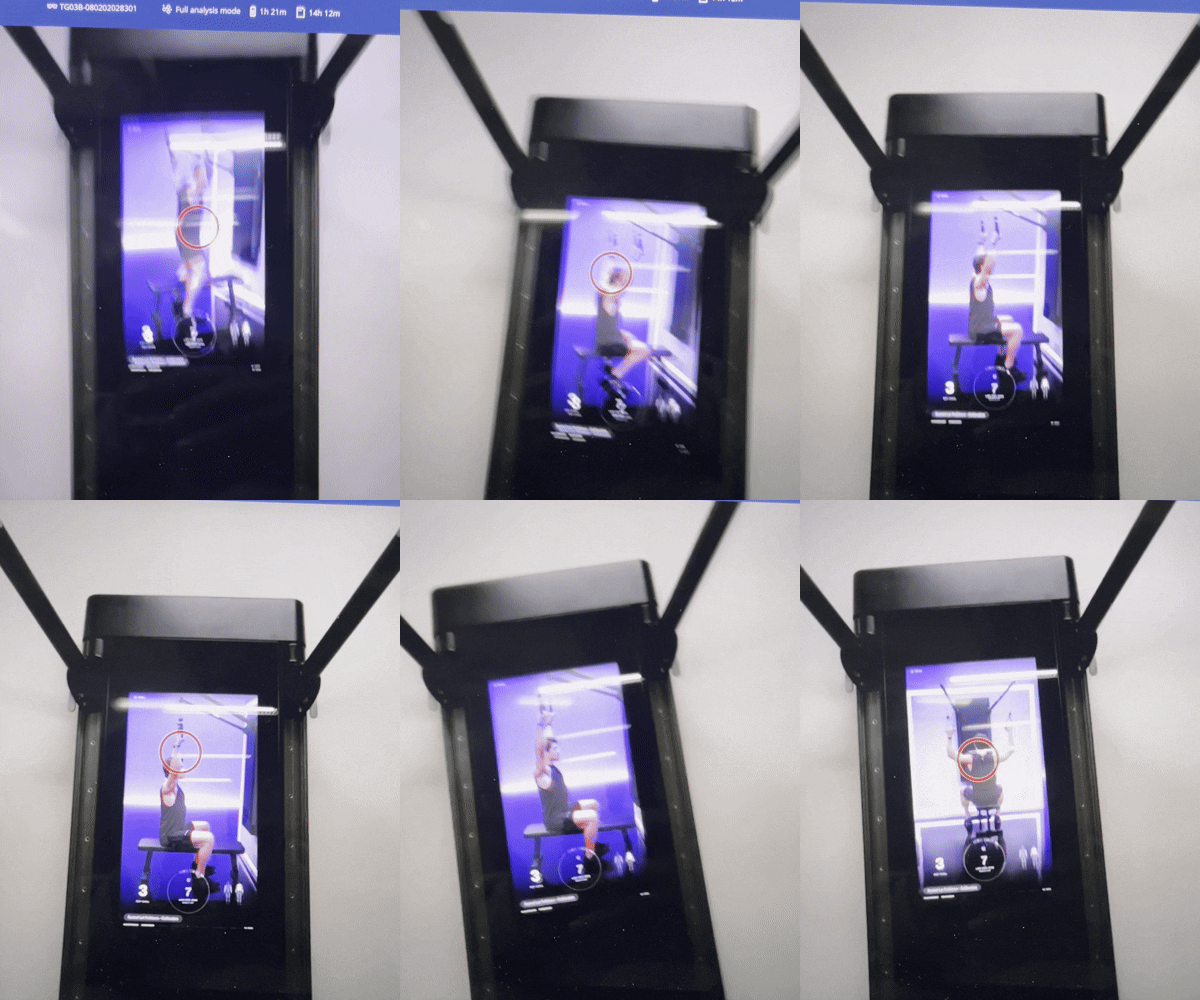
Tobii pro glasses 3 gaze recording
Research process
To understand how users interacted with Tonal’s system end-to-end, we conducted a controlled usability study combining physiological tracking, cognitive analysis, and observational research.
Participant Recruitment: Users were recruited through ASU’s campus network based on Tonal’s target demographic.
Setup & Orientation: Each participant was briefed, equipped with Tobii eye-tracking glasses and Empatica E4 wrist sensors, and given a walkthrough of the task protocol.
Usability Sessions: Participants completed key tasks like device setup, strength calibration, navigation, and workout execution, while verbalizing their thoughts (think-aloud method).
Observation & Annotation: I later annotated session recordings frame-by-frame, categorizing user actions to pinpoint friction and flow states.
Data Analysis: The dataset was then structured in Excel for quantitative aggregation and visualization, revealing patterns across user journeys. This process enabled cross-comparison of behaviors highlighting consistent points of confusion or increased cognitive effort.
Emotional & Cognitive Mapping: Physiological signals (eye movement, pupil dilation, EDA) were synchronized with user activity to identify cognitive workload peaks and engagement patterns.
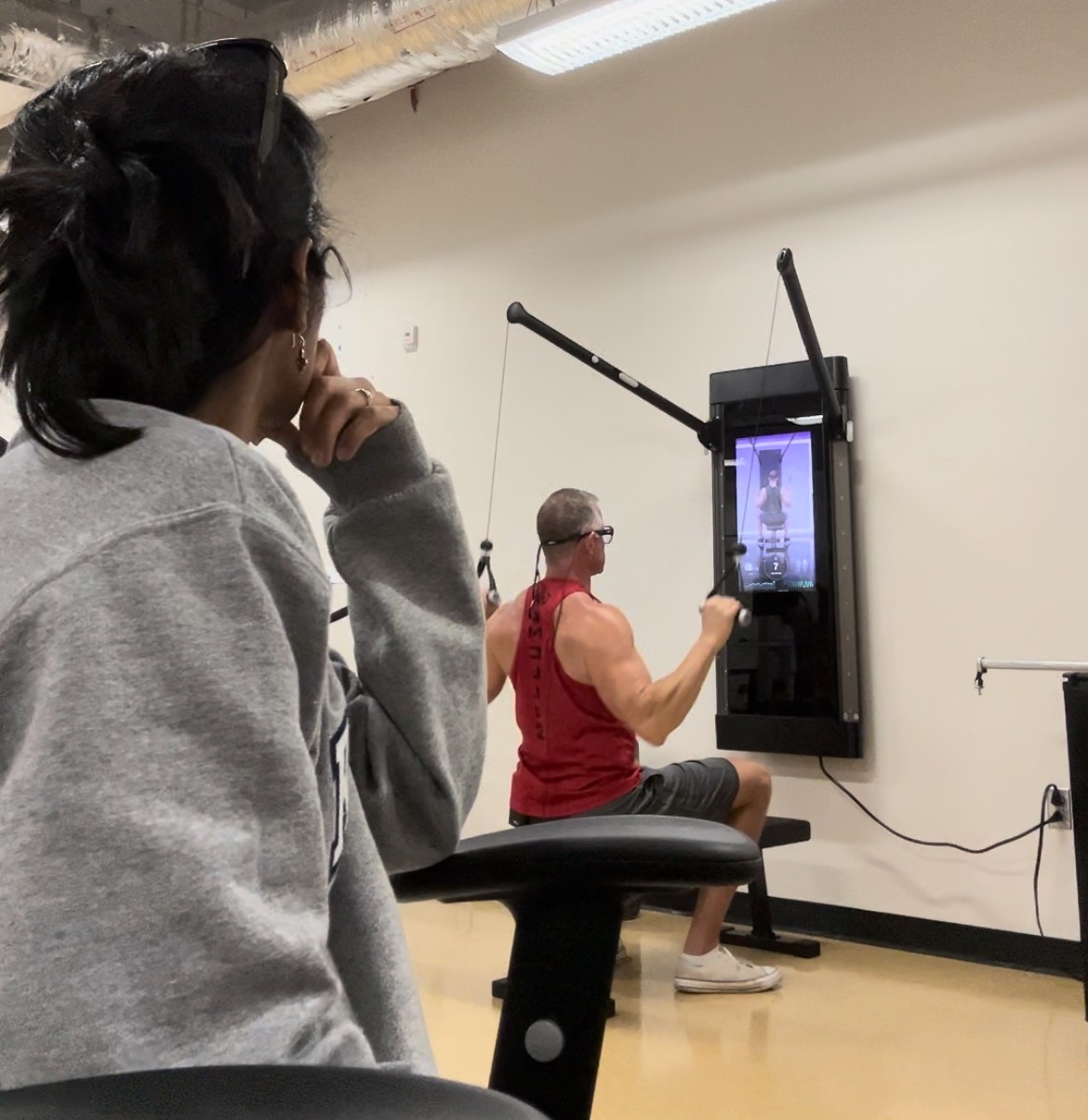
moderating test
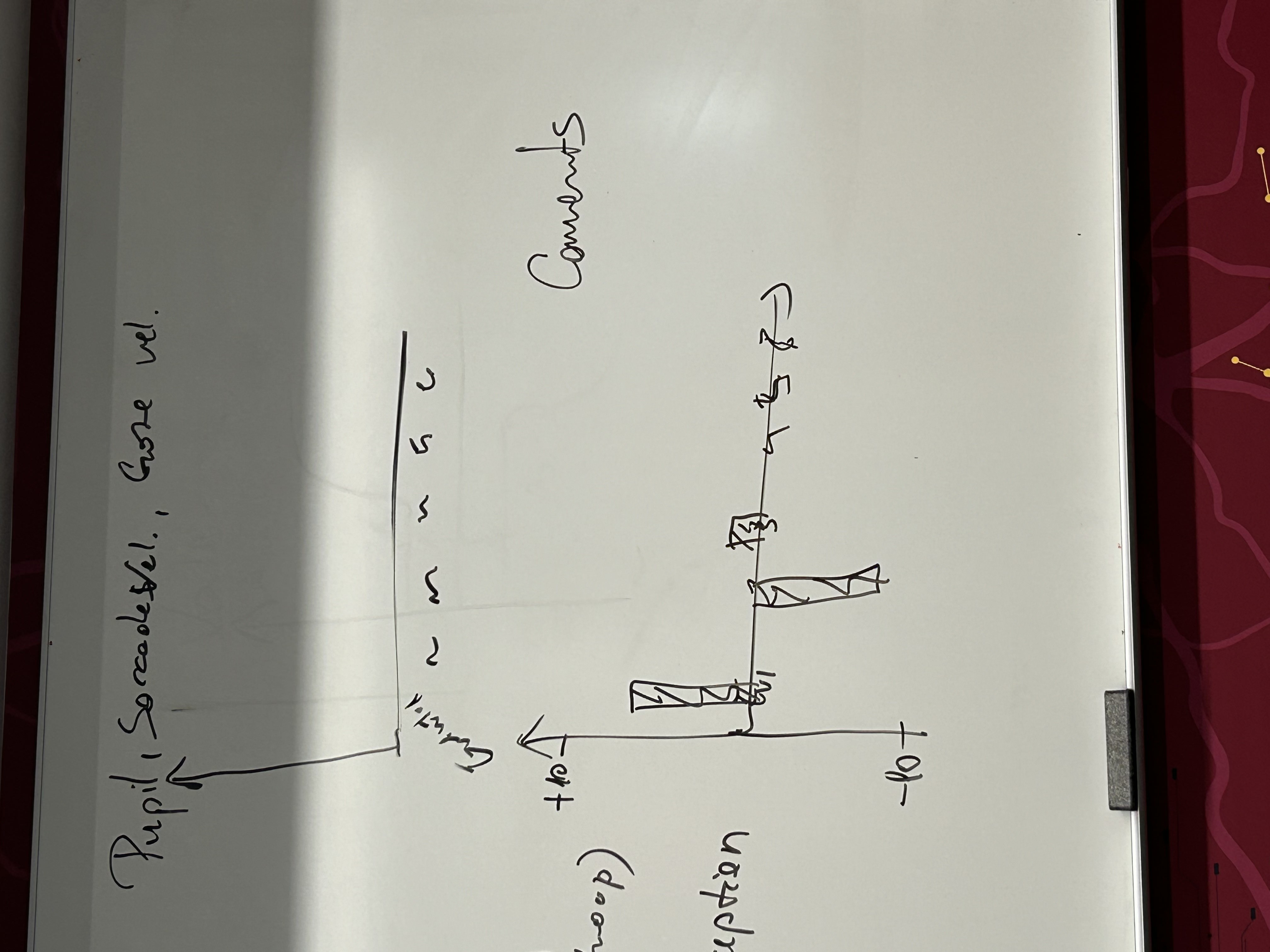
data analyzing
The Unexpected Hurdle
What I didn’t anticipate was just how long annotation and data analysis would take. Every second of gaze data, every biometric spike, every flicker of hesitation had to be meticulously synced and labeled. What I thought would take a few days stretched into weeks. I ended up requesting to extend the project timeline by two full weeks.
What we found
After dozens of hours annotating recordings and syncing biometric data in Tobii Pro Lab and Excel, the patterns became clear. Observations revealed patterns in gaze, cognitive load, resistance shifts, and areas of confusing terminology.
From those findings, we distilled some actionable recommendations (later accepted by Tonal):
Simplify the onboarding sequence, one focal point at a time.
Clarify interactive cues between hardware and screen.
Adjust information hierarchy in the some sections.
Streamline the custom workout builder flow.
Once the research phase wrapped, I synthesized the findings into a comprehensive report and an interactive presentation for the Tonal product and design leadership teams.
Update
Several of our recommendations were adopted into the upcoming interface update roadmap particularly around onboarding and in-app navigation. The experience reinforced the value of data-informed design decisions and helped solidify a longer-term research collaboration between the adidas-ASU Center and Tonal.
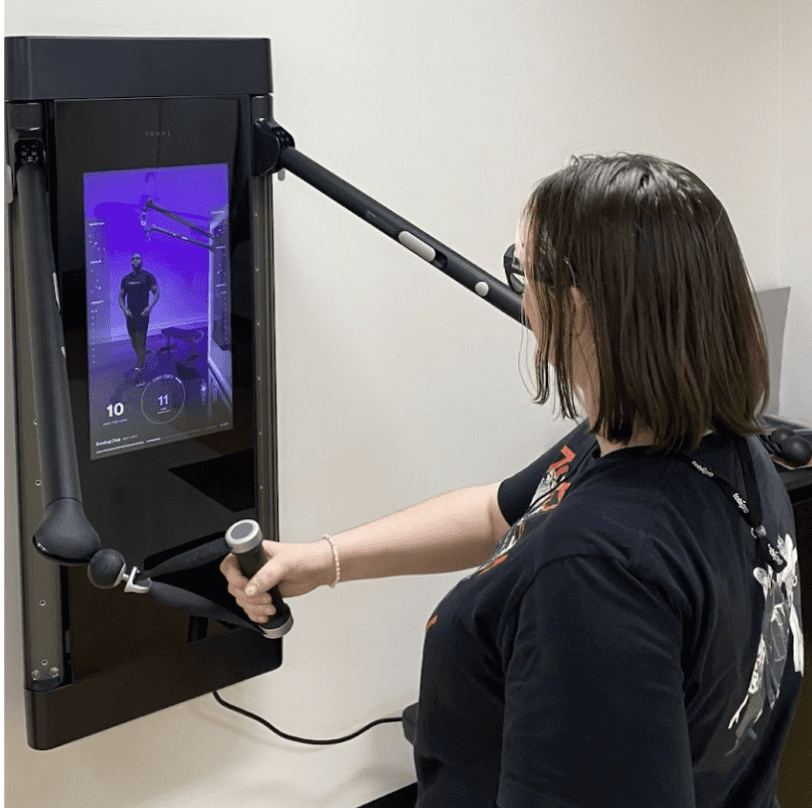
testing workout hardware
This research reflects that uncovering meaningful insights rarely follows a linear path. Annotating and analyzing gaze and biometric data took far longer than expected, extending the timeline by two weeks. Working with Tonal’s team and observing users in different settings highlights how adaptability and collaboration shape research outcomes.
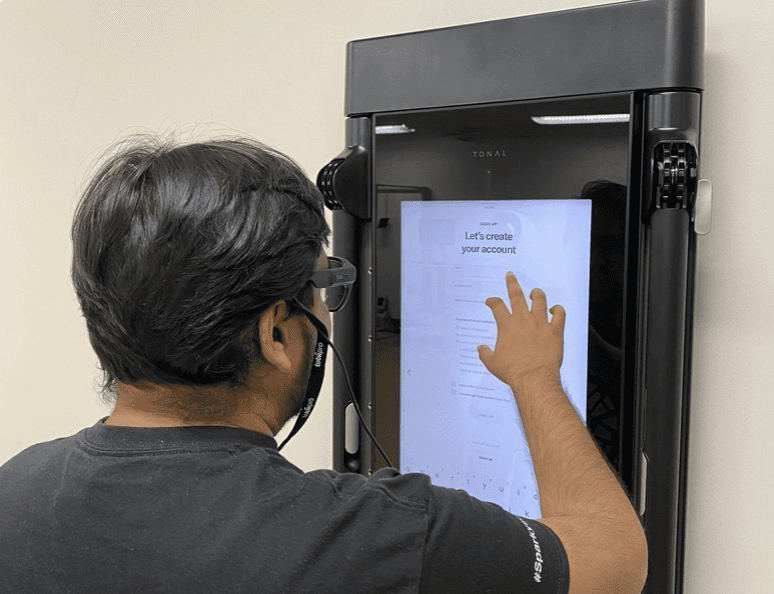
testing digital interface
skills used
UX Research
Usability Tests
Data Analysis
Information Architecture
team
Me
Project Manager
2 UX Designers
Designing smarter fitness experiences through data-driven research.
I worked at the adidas-ASU Center for Engagement Science lab as a UX researcher for Tonal, formulating and analyzing strategies to uncover user behavior patterns and inform product improvements for Tonal’s smart home gym system. Tonal is a fitness equipment system that combines cutting-edge technology with personalized strength training.
Tonal’s product and design team adopted our research findings into their upcoming roadmap, particularly around onboarding clarity, navigation, and workout flow.
Due to NDA restrictions, specific findings are omitted.
Uncovering Friction
First-time users of Tonal experienced some friction when getting started, from setting up the hardware and configuring digital weights to customizing workouts and interpreting performance feedback.
The Tonal team’s goal wanted to create a seamless experience with no hiccups in setup, navigation, or use, ensuring that every touchpoint from hardware to interface felt intuitive and effortless.
They wanted to understand where users were slowing down, what moments of hesitation interrupted their flow, and how the overall experience could feel smoother and more natural across the entire journey.
How the research came to life
Our team began by identifying Tonal’s knowledge gaps: What did their analytics show? What questions were still unanswered?
Then, we moved quickly into the field. We conducted moderated usability testing and recordings in two contexts:
Nordstrom Tonal stores - observing real shoppers interacting with the system in a retail setting.
ASU’s research facility - where we replicated the in-home experience with full control over sensors and video capture.
The Unexpected Hurdle
What I didn’t anticipate was just how long annotation and data analysis would take. Every second of gaze data, every biometric spike, every flicker of hesitation had to be meticulously synced and labeled. What I thought would take a few days stretched into weeks. I ended up requesting to extend the project timeline by two full weeks.
What we found
After dozens of hours annotating recordings and syncing biometric data in Tobii Pro Lab and Excel, the patterns became clear. Observations revealed patterns in gaze, cognitive load, resistance shifts, and areas of confusing terminology.
From those findings, we distilled some actionable recommendations (later accepted by Tonal):
Simplify the onboarding sequence, one focal point at a time.
Clarify interactive cues between hardware and screen.
Adjust information hierarchy in the some sections.
Streamline the custom workout builder flow.
Once the research phase wrapped, I synthesized the findings into a comprehensive report and an interactive presentation for the Tonal product and design leadership teams.
Update
Several of our recommendations were adopted into the upcoming interface update roadmap particularly around onboarding and in-app navigation. The experience reinforced the value of data-informed design decisions and helped solidify a longer-term research collaboration between the adidas-ASU Center and Tonal.
Research process
To understand how users interacted with Tonal’s system end-to-end, we conducted a controlled usability study combining physiological tracking, cognitive analysis, and observational research.
Participant Recruitment: Users were recruited through ASU’s campus network based on Tonal’s target demographic.
Setup & Orientation: Each participant was briefed, equipped with Tobii eye-tracking glasses and Empatica E4 wrist sensors, and given a walkthrough of the task protocol.
Usability Sessions: Participants completed key tasks like device setup, strength calibration, navigation, and workout execution, while verbalizing their thoughts (think-aloud method).
Observation & Annotation: I later annotated session recordings frame-by-frame, categorizing user actions to pinpoint friction and flow states.
Data Analysis: The dataset was then structured in Excel for quantitative aggregation and visualization, revealing patterns across user journeys. This process enabled cross-comparison of behaviors highlighting consistent points of confusion or increased cognitive effort.
Emotional & Cognitive Mapping: Physiological signals (eye movement, pupil dilation, EDA) were synchronized with user activity to identify cognitive workload peaks and engagement patterns.
skills used
UX Research
Usability Tests
Data Analysis
Information Architecture
Credits
Me
Project Manager
2 UX Designers
Designing smarter fitness experiences through data-driven research.
I worked at the adidas-ASU Center for Engagement Science lab as a UX researcher for Tonal, formulating and analyzing strategies to uncover user behavior patterns and inform product improvements for Tonal’s smart home gym system. Tonal is a fitness equipment system that combines cutting-edge technology with personalized strength training.
Tonal’s product and design team adopted our research findings into their upcoming roadmap, particularly around onboarding clarity, navigation, and workout flow.
Due to NDA restrictions, specific findings are omitted.
Tonal workout setup
recruiting participants
moderating test
recruiting participants
Uncovering Friction
First-time users of Tonal experienced some friction when getting started, from setting up the hardware and configuring digital weights to customizing workouts and interpreting performance feedback.
The Tonal team’s goal wanted to create a seamless experience with no hiccups in setup, navigation, or use, ensuring that every touchpoint from hardware to interface felt intuitive and effortless.
They wanted to understand where users were slowing down, what moments of hesitation interrupted their flow, and how the overall experience could feel smoother and more natural across the entire journey.
How the research came to life
Our team began by identifying Tonal’s knowledge gaps: What did their analytics show? What questions were still unanswered?
Then, we moved quickly into the field. We conducted moderated usability testing and recordings in two contexts:
Nordstrom Tonal stores - observing real shoppers interacting with the system in a retail setting.
ASU’s research facility - where we replicated the in-home experience with full control over sensors and video capture.
Research process
To understand how users interacted with Tonal’s system end-to-end, we conducted a controlled usability study combining physiological tracking, cognitive analysis, and observational research.
Participant Recruitment: Users were recruited through ASU’s campus network based on Tonal’s target demographic.
Setup & Orientation: Each participant was briefed, equipped with Tobii eye-tracking glasses and Empatica E4 wrist sensors, and given a walkthrough of the task protocol.
Usability Sessions: Participants completed key tasks like device setup, strength calibration, navigation, and workout execution, while verbalizing their thoughts (think-aloud method).
Observation & Annotation: I later annotated session recordings frame-by-frame, categorizing user actions to pinpoint friction and flow states.
Data Analysis: The dataset was then structured in Excel for quantitative aggregation and visualization, revealing patterns across user journeys. This process enabled cross-comparison of behaviors highlighting consistent points of confusion or increased cognitive effort.
Emotional & Cognitive Mapping: Physiological signals (eye movement, pupil dilation, EDA) were synchronized with user activity to identify cognitive workload peaks and engagement patterns.
The Unexpected Hurdle
What I didn’t anticipate was just how long annotation and data analysis would take. Every second of gaze data, every biometric spike, every flicker of hesitation had to be meticulously synced and labeled. What I thought would take a few days stretched into weeks. I ended up requesting to extend the project timeline by two full weeks.
What we found
After dozens of hours annotating recordings and syncing biometric data in Tobii Pro Lab and Excel, the patterns became clear. Observations revealed patterns in gaze, cognitive load, resistance shifts, and areas of confusing terminology.
From those findings, we distilled some actionable recommendations (later accepted by Tonal):
Simplify the onboarding sequence, one focal point at a time.
Clarify interactive cues between hardware and screen.
Adjust information hierarchy in the some sections.
Streamline the custom workout builder flow.
Once the research phase wrapped, I synthesized the findings into a comprehensive report and an interactive presentation for the Tonal product and design leadership teams.
Update
Several of our recommendations were adopted into the upcoming interface update roadmap particularly around onboarding and in-app navigation. The experience reinforced the value of data-informed design decisions and helped solidify a longer-term research collaboration between the adidas-ASU Center and Tonal.
usability test at nordstorm
The Tobii Pro Glasses 3 capture real-time eye movements, visualizing exactly where users look and how their attention shifts across the interface.
Tobii pro glasses 3 gaze recording
testing workout hardware
This research reflects that uncovering meaningful insights rarely follows a linear path. Annotating and analyzing gaze and biometric data took far longer than expected, extending the timeline by two weeks. Working with Tonal’s team and observing users in different settings highlights how adaptability and collaboration shape research outcomes.
testing digital interface